
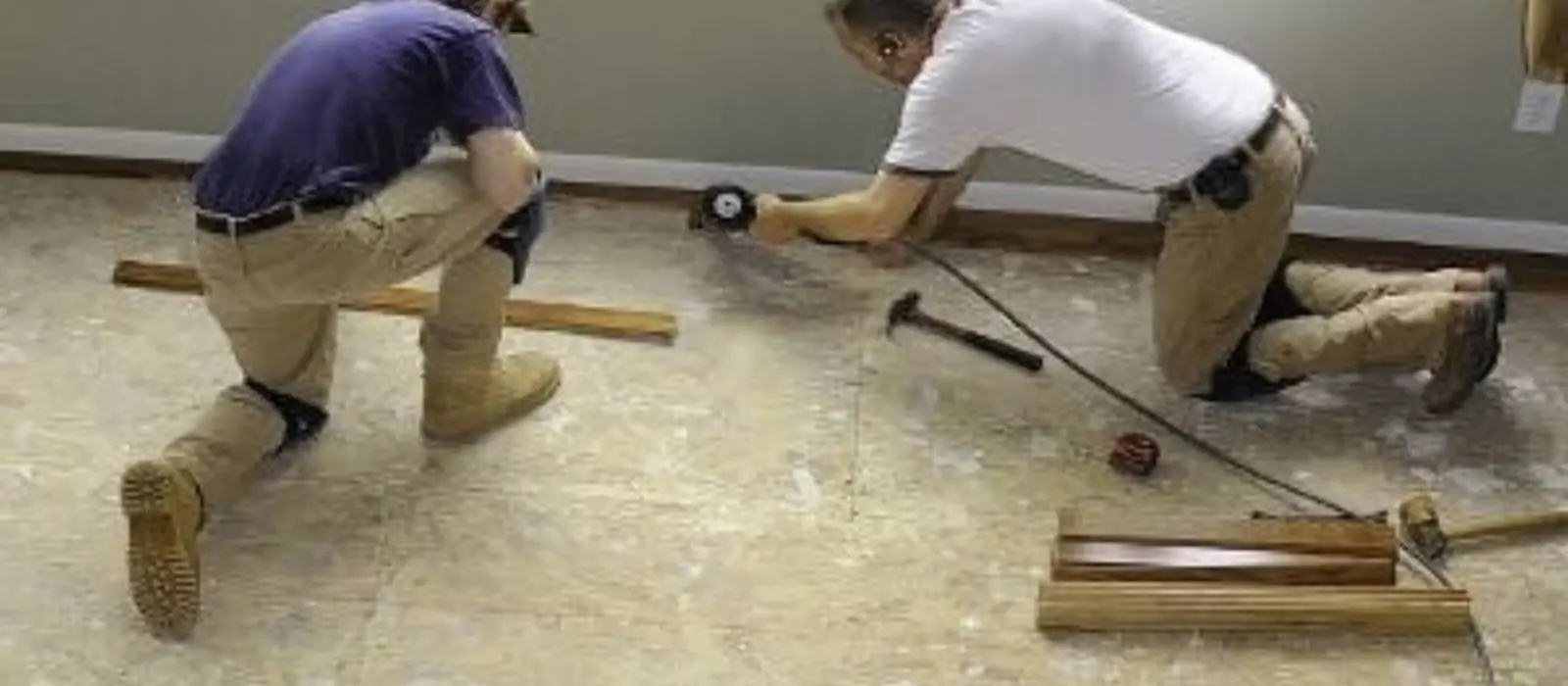
Repair from water damage looks simple from the outside. A stain gets patched, a floor gets replaced, a wall gets painted. In practice, the order of the work decides whether the repair lasts, and in Apple Valley the most common mistake is rebuilding before the structure is dry.
This guide walks through the sequence a good repair follows, how to tell when a home is ready to rebuild and what you should expect to see in writing. If water is still present while you read this, call the 24/7 line first and come back to the guide afterward.
Step one: confirm the source is stopped
A repair on a home with an active leak is wasted money. Before anyone talks about drywall, the source of the water has to be found and fixed. That might be a supply line, a drain, a roof penetration or an air conditioner condensate line.
A plumber or roofer fixes the source, and the restoration crew handles the water. If you are unsure whether the leak is truly stopped, watch the area for a few days with a pencil mark at the edge of the stain and check your water meter with every fixture off.
Step two: dry the structure and write the readings down
Drywall can feel dry at the surface and still hold moisture behind the paint. Framing, sill plates and subfloors hold water longer than drywall because they are thicker. A moisture meter gives a number for each material, and a good crew compares those numbers with a dry reading from an unaffected part of the same house.
Ask for the readings in writing. Repair should not start until the numbers show materials at the dry standard. Water mitigation covers this drying stage, and the log it produces becomes the permission slip for the rebuild.
Step three: decide what stays and what goes
Some materials are worth saving and some are not. Drywall that is firm and flat after drying can often stay. Drywall that crumbles, sags or has a stain that keeps returning should be replaced.
| Material | Usually saved when | Usually replaced when |
|---|---|---|
| Drywall | Firm, flat, dry, clean water | Soft, crumbling, sagging or contaminated |
| Insulation | Dry fiberglass in a clean loss | Wet cellulose or any contaminated insulation |
| Carpet | Clean water and dried quickly | Contaminated water or long soaking |
| Carpet pad | Rarely | Almost always replaced |
| Hardwood | Cupped boards that settle after slow drying | Warped, split or stained boards |
| Cabinet boxes | Solid wood that dried | Particle board that swelled |
Step four: rebuild in a sensible order
- Replace insulation in opened cavities.
- Hang, tape and finish new drywall.
- Prime with a stain-blocking primer on any area that was stained.
- Texture to match the surrounding finish.
- Install flooring and base trim.
- Paint last.
Painting last is the rule that gets skipped most. Paint applied before flooring and trim are done gets scuffed, and paint applied before patches cure shows through. A repair plan that lists the sequence in writing is a good sign.
Want the repair scoped before anything starts?
Call (760) 769-1159. We explain scope and price before work starts.
Where permits and inspections come in
Surface repairs such as drywall and paint are different from work that touches framing, plumbing or electrical. If the loss opened walls and your plan includes moving plumbing, changing wiring or replacing structural members, ask whether a permit applies. The answer depends on the scope.
Do not rely on a contractor to guess. A quick call to the Town before work starts avoids a stop-work problem later, and it also leaves a record that the work was inspected.
Apple Valley local note: who to ask
The Town of Apple Valley Building and Safety Division handles plan review for code compliance and building inspection during construction, working through the Permit Center. Their page does not list water damage repairs specifically, so the practical step is to contact them with your scope and ask what applies.
Because homes in town take water from different providers, the shutoff you reach depends on your address. The Town utilities element names Apple Valley Ranchos Water Company as the primary provider and Golden State Water as another, so check your bill to see which one serves you before you need to call in an emergency.
If your home is in a nearby city, rules differ. See our pages on Victorville, Hesperia and Adelanto for the local authorities in each.
Choosing who does the rebuild
Many homeowners hire one company for drying and another for the rebuild. Either approach works if the handoff is clean. The drying company should give the rebuild contractor the moisture log, the photos and the list of materials that were removed, so nothing is repeated or missed.
Before you sign, ask who pulls any needed permits, how change orders are handled and how the crew will protect floors and furniture in rooms that were not damaged. Ask for the start date and an expected finish date in writing. Look up the contractor on the Contractors State License Board site before any money changes hands.
A fair scope names the rooms, the materials and the finish level. It also says what happens if the crew opens a wall and finds more damage than expected. That one sentence prevents most disagreements.
Mistakes that cost the most
- Painting over a stain that is still damp
- Replacing flooring before the subfloor has been checked
- Closing up walls without moisture readings
- Skipping photos before demolition
- Hiring a trade to fix finishes while the source is still leaking
Each of these is easy to avoid with a written scope and a log. A repair that hides a problem will usually reveal it later, and at that point it is more expensive.
Frequently asked questions
How long should I wait before starting repairs after water damage?
Wait until the structure reads dry. For a small leak that may be a few days, and for a larger loss it can be longer. The readings, not the calendar, decide.
Can I repair water damage myself?
Small, clean-water jobs on drywall and paint can be a do-it-yourself project once everything is dry. Larger areas, hardwood, contaminated water and anything involving plumbing or wiring are better left to professionals.
Do I need photos before repair?
Yes. Take photos of the damage and the source before anything is removed. Your insurer may ask for them and they also help the contractor scope the job.
Who do I ask about permits for repair work in Apple Valley?
Ask the Town of Apple Valley Building and Safety Division, which handles plan review and inspection through the Permit Center. Describe your scope and ask what applies.
What if the damage is in Victorville or Hesperia instead?
Each city has its own building department and rules. Ask the city where the property is located before work starts.