
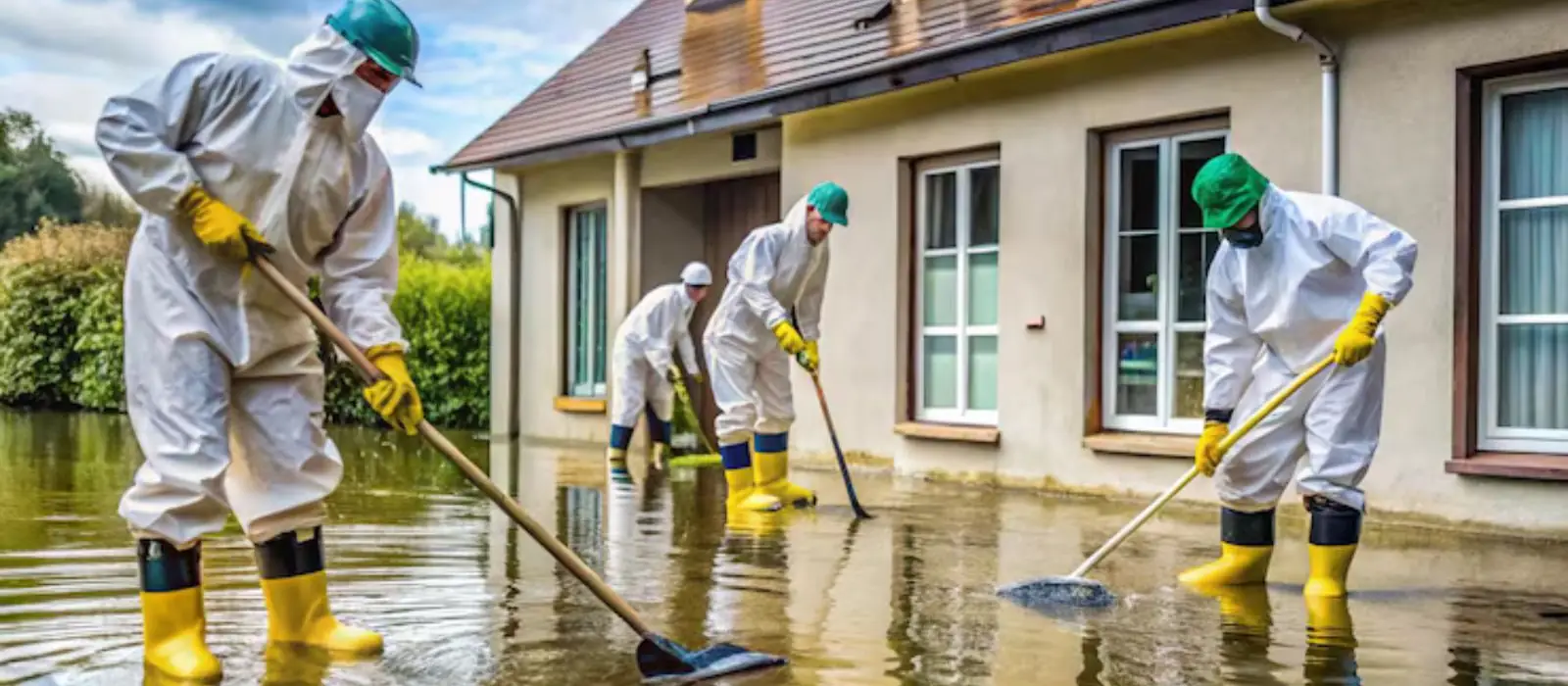
Once the water stops, the mess is still sitting in your house, and water damage cleanup in Apple Valley is how it gets out. This is an urgent job because wet debris sours quickly, and our dispatch line is open 24/7 with same-day response when available. Cleanup removes soaked materials, sanitizes the surfaces that stay and works on odor.
Until the crew arrives, keep children and pets out of the wet area, lift valuables and paper goods onto dry surfaces, and open interior doors for airflow only if the water was clean. If the water came from a toilet, drain or sewer line, do not touch it and do not run fans, because that spreads contamination.
When cleanup cannot wait until morning
Some losses leave a window of a day or two before materials stop being salvageable. Upholstery, mattresses, particle board and carpet pad take on water fast, and they give off a smell within days when left wet. Drywall that stays soaked loses its strength and can start to crumble.
Contaminated water changes the clock completely. Category 2 water, such as washing machine discharge, and Category 3 water, such as sewage or river water, carry bacteria that make porous materials unsafe to keep. Those jobs are cleanup jobs first and drying jobs second, and calling at night is the right call.
Do not clean sewage yourself
If sewage backed up through a floor drain or toilet, keep out of the area and call the line. Shut off the water to the affected fixture and call the utility or 911 about any electrical or gas concern before you call us.
What gets removed and what gets saved
The goal is to keep what can be kept. Hard surfaces such as tile, sealed concrete and many solid wood items can be cleaned and dried. Porous materials soaked by contaminated water, including carpet, pad and insulation, are removed because cleaning cannot reach the contamination inside them.
| Material | Clean water (Category 1) | Gray or black water (Category 2 or 3) |
|---|---|---|
| Carpet and pad | Carpet is often dried in place, pad is often replaced | Both are removed |
| Drywall | Dried if it is firm and not stained, otherwise cut out | Cut out above the water line as needed |
| Insulation | Fiberglass can sometimes dry, cellulose is usually removed | Removed |
| Hardwood and laminate | May be dried with specialty equipment, laminate often swells | Usually removed |
| Tile and sealed concrete | Cleaned and dried | Cleaned and sanitized |
| Upholstery and mattresses | Case by case, depends on time wet | Discarded |
A written list of removed items, with photos taken before they leave the house, helps your insurance file. If you have room to do so safely, photograph every wet item and room before anything is touched.
How cleanup is done
A crew starts by confirming the water category and setting up containment where odor or contamination could spread. Debris and ruined materials are bagged or hauled out, and affected surfaces are cleaned with detergent and then treated with an antimicrobial product matched to the material.
Odor control comes after removal. Deodorizing before the source is gone only masks the smell. Where lingering odor remains, crews use HEPA air filtration or other air scrubbing and recheck the room after drying.
Cleanup runs alongside water mitigation on most jobs. When the structure is wet as well as dirty, drying equipment goes in once the debris is out of the way, so nothing is trapped under a soggy layer.
Local situations that create cleanup work
A few patterns repeat in Apple Valley. Garage and laundry room leaks spread across slabs and into adjoining rooms. Air conditioner drain overflows soak ceilings and closets. Older sewer-connected homes and homes on septic can back up at the lowest drain in the house.
The Town of Apple Valley utilities element states that roughly 30 percent of development in town is connected to the sewer system and that unsewered development is served by on-lot septic systems. That mix matters for cleanup, because a septic overflow and a sewer backup are different problems with different people to call. Ask which one you have before arranging the work, and look up your own parcel with the Town or your septic service.
Wet debris is getting worse by the hour
Call (760) 769-1159 and describe what is wet and what the water was. We explain the scope and price before work starts.
Cleanup, then drying, then repair
Cleanup alone does not finish a water loss. After debris is out, the structure still needs drying, and after drying, someone has to rebuild. Water damage repair replaces drywall, flooring, trim and paint once readings say the building is dry.
If the water was storm or groundwater and reached several rooms, the larger job is covered under flood damage restoration. If a stale smell is already present, see mold remediation for what testing and containment involve.
Cleanup costs and your insurance
Cleanup pricing follows the work, not a flat rate. Water category, the number of rooms, the amount of material removed, disposal volume and sanitizing needs all move the figure. We explain the scope and price before work starts, and we do not quote from a phone description alone.
Sudden and accidental water damage is often covered by homeowners policies, while gradual leaks and neglect often are not. Renters have a separate policy question for belongings. Flood damage is usually excluded from standard coverage and needs separate flood insurance, which has a 30 day waiting period according to the California Department of Insurance. Check your policy and ask your insurer before you decide anything.
Want your real number? Call (760) 769-1159 and we will go through the scope with you.
Frequently asked questions
Do you handle water damage cleanup emergencies at night or on weekends in Apple Valley?
Yes. Dispatch answers around the clock, every day of the year, and a cleanup crew is sent the same day when one is available. Call at any hour if the water is contaminated or ruined materials are still in the house.
Is it safe to clean up water damage myself?
Clean water from a supply line on a hard floor is something many people can mop and dry. Water from a drain, toilet, washer discharge or outside flooding should be handled by a professional crew because of contamination.
How soon does mold start after a water loss?
Mold needs moisture and organic material, and wet drywall, pad and wood provide both. Commonly cited guidance is to dry wet materials within 24 to 48 hours, so do not wait on cleanup.
Will the smell go away after cleanup?
Odor leaves when the source is removed and the structure is dry. If a smell remains after drying, there may be wet material still hidden in a wall or floor cavity.
What should I photograph before you start?
Take wide and close photos of each wet room, the source of the water and every damaged item before anything is moved. Keep receipts and a written log of calls with your insurer.